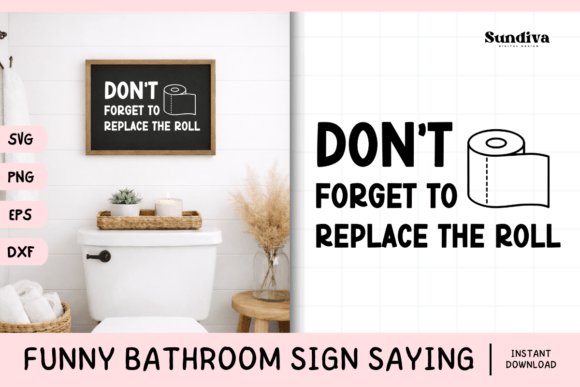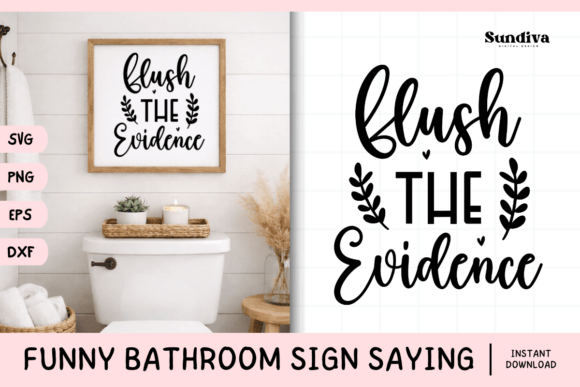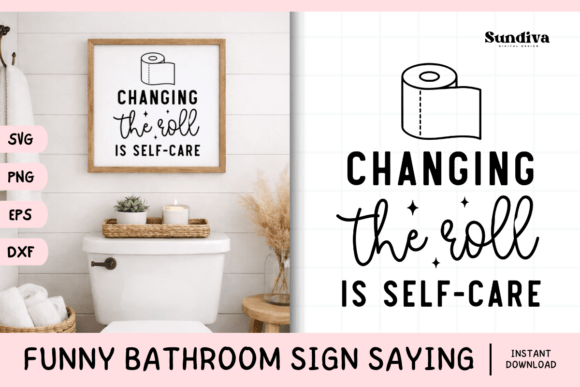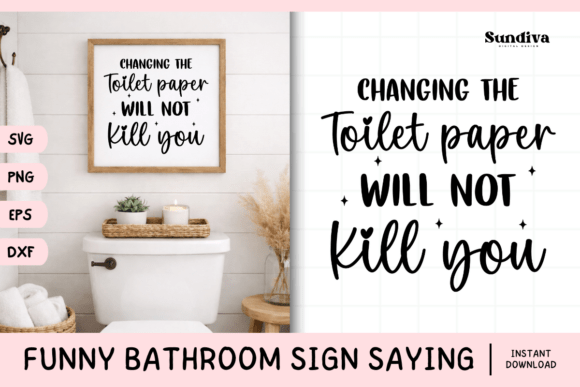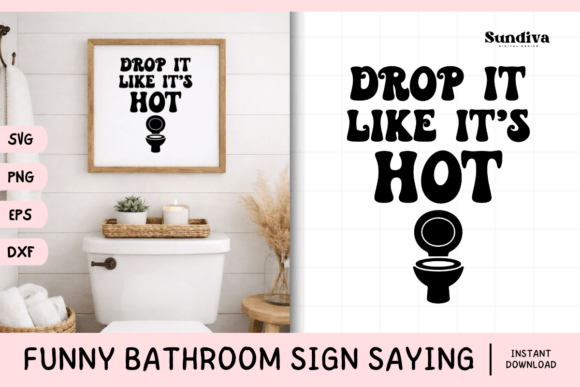
Funny Bathroom Sign Saying SVG 30: A Designer's Review
As a designer who spends more time staring at stitch simulations than actual people, I approach every new digital embroidery file with a healthy dose of skepticism. We have all been there: you download a cute graphic, load it into your software, and realize the lettering is too tight for satin stitch or the density will turn your fabric into cardboard. That is why I took a close look at the Funny Bathroom Sign Saying SVG 30 before committing it to a real project. This isn't just about whether it looks good on a screen; it is about how it performs when the needle hits the cloth.
My first impression of this design was its playful personality. In the world of Crafts and home decor, bathroom humor is a massive niche. From guest powder rooms to Airbnb rentals, people love a witty sign that breaks the ice. The layout of this specific SVG feels balanced, with a visual weight that suggests it was intended for clear readability. When evaluating a machine embroidery design like this, I immediately look at the flow of the text and the spacing between elements. For a bathroom sign concept, the design needs to be legible from a distance but charming up close. The wit of the quote combined with the graphical style creates a mood that is lighthearted without being messy.
Real-World Application: The Guest Towel Test
To truly gauge the value of this asset, I imagined a specific real-life scenario. Picture a small shop owner preparing a line of luxury hand towels for the holiday season. They want to offer a personalized gift option where customers can add a touch of humor to their guest bath. Using the Funny Bathroom Sign Saying SVG 30 on a high-quality waffle weave towel seems like the perfect fit. However, this is where the technical evaluation begins.
If I were stitching this onto a textured fabric like a towel, the clarity of the design becomes paramount. A design that works beautifully on smooth cotton might get lost in the loops of a terry cloth. For this application, I would likely treat the SVG as a basis for an applique design or ensure the digitized version uses sufficient underlay to prevent the background fabric from peeking through. If you are using this as a direct stitch-out, you must consider the stitch density. Too dense, and the towel becomes stiff and unusable; too light, and the joke falls flat because no one can read it.
Beyond towels, this graphic shines on flat surfaces. Imagine a canvas tote bag design for a boutique market stall or a linen tea towel hanging in a farmhouse kitchen. The simplicity of the saying allows it to stand out against various thread colors. I could see this working exceptionally well in a monochrome palette—black thread on white fabric—for a modern, minimalist look, or in vibrant colors for a more eclectic vibe. The versatility here is a strong selling point for any Etsy seller looking to expand their catalog without reinventing the wheel.
Technical Considerations for Embroiderers
While the aesthetic appeal is high, we must discuss the technical constraints. Since this product is categorized under Graphics, it is crucial to remember that an SVG is a vector image, not a pre-digitized stitch file. Before you hoop your fabric, you must convert this graphic into a format your machine understands. This step is where many hobbyists stumble. You need to ensure that the conversion process maintains the integrity of the original design.
When digitizing or auto-digitizing this SVG, pay close attention to the small details. If the design includes thin lines or intricate corners, these areas are prone to breaking or bird-nesting if not handled correctly. A running stitch might be appropriate for fine outlines, while broader areas could benefit from a fill stitch or satin stitch depending on the size of the final product. Always check the recommended hoop size relative to your design dimensions. Cramping a design into a small hoop can distort the proportions, making the text look squashed.
Fabric choice is another critical factor. If you plan to use this on stretchy materials like a sweatshirt or a cap, stabilization is non-negotiable. A sweatshirt embroidery project requires a cut-away stabilizer to support the weight of the stitches and prevent puckering over time. For curved surfaces like caps, the placement of the text must be arched correctly; a straight line of text on a rounded hat often looks amateurish. Furthermore, if you are working with dark fabrics, you may need to adjust the thread colors or add a backing layer to ensure the humor pops rather than getting swallowed by the background.
Commercial Viability and Brand Consistency
For those running a craft business, consistency is key to building trust. Using a well-chosen design like Funny Bathroom Sign Saying SVG 30 can enhance your brand's voice if it aligns with your overall style. It signals to your customers that you understand current trends and have a sense of fun. However, before listing finished items, you must verify the licensing terms. Can you sell physical products made with this design? Can you sell the digital file itself? These questions are vital for avoiding legal issues down the road.
The perceived value of the finished product also depends on execution. A sloppy stitch job on a funny sign ruins the joke. High-quality presentation, clean trim, and professional finishing touches elevate a simple graphic into a desirable handmade product. Whether you are creating baby embroidery for a shower gift or holiday embroidery for seasonal decor, the quality of the stitch work reflects directly on your reputation.
Final Verdict and Practical Tips
In conclusion, the Funny Bathroom Sign Saying SVG 30 is a versatile asset with strong potential for both personal and commercial projects. Its strength lies in its relatable theme and adaptable layout. However, its success depends entirely on how you translate it from a screen graphic to a physical stitch.
Here are my top recommendations for anyone planning to use this design:
- Test on Scrap First: Never run a new design on your final garment without a test stitch-out on similar fabric.
- Check Contrast: Ensure your thread colors provide enough contrast against the fabric texture for maximum readability.
- Review Density: Adjust stitch density to suit the fabric weight; lighter fabrics need lighter stitching.
- Verify Licensing: Confirm you have the right to use the design for commercial purposes before selling.
- Mind the Hoop: Choose a hoop size that accommodates the design without crowding the edges.
- Stabilize Properly: Match your stabilizer type to the fabric stretch and garment purpose.
By approaching this embroidery project with a designer's eye and a technician's precision, you can turn a simple SVG into a standout piece of decor that brings smiles to your customers' faces. Whether it ends up on a pillow cover in a boutique hotel or a patch on a denim jacket, the potential for creativity is limitless.